feb.19.2019 INDIAN CULTURE SIKKAM TRADITION
Sikkim was occupied by three tribes; Naong, Chang and the Mon. But with the course of time, the inhabitants of the nearby countries became a major inhabitant of the state.The Tibetan Bhutias, secured their deep rooted ties to the tradition and belief since the last three centuries they had been settled in Sikkim.
FOOD
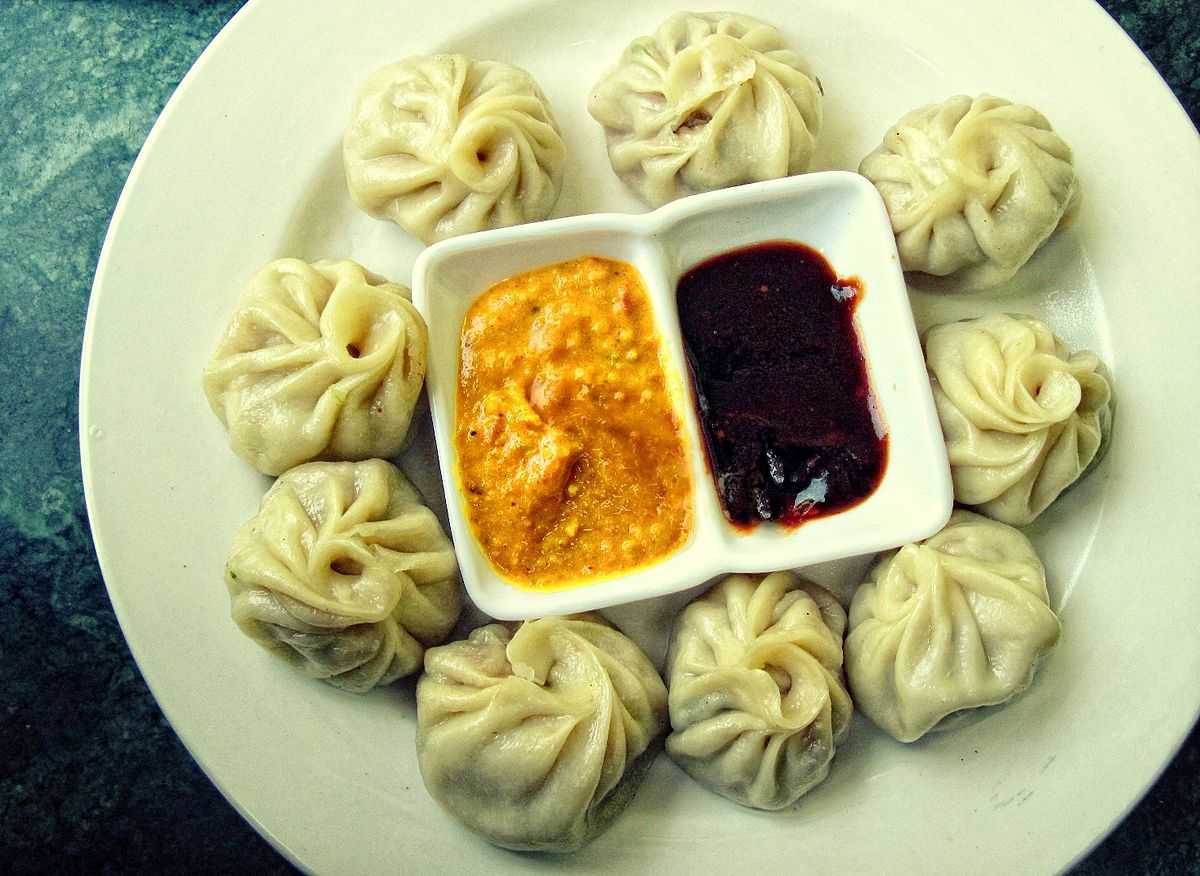
Momo
Momo is a small package of steamed bun with some fillings. Momo typically consists of two parts - the cover and the filling. The cover is made of dough made of white flour and water. Sometimes yeast or baking soda is also added to the dough to enhance the texture of the momos.
DRESSES
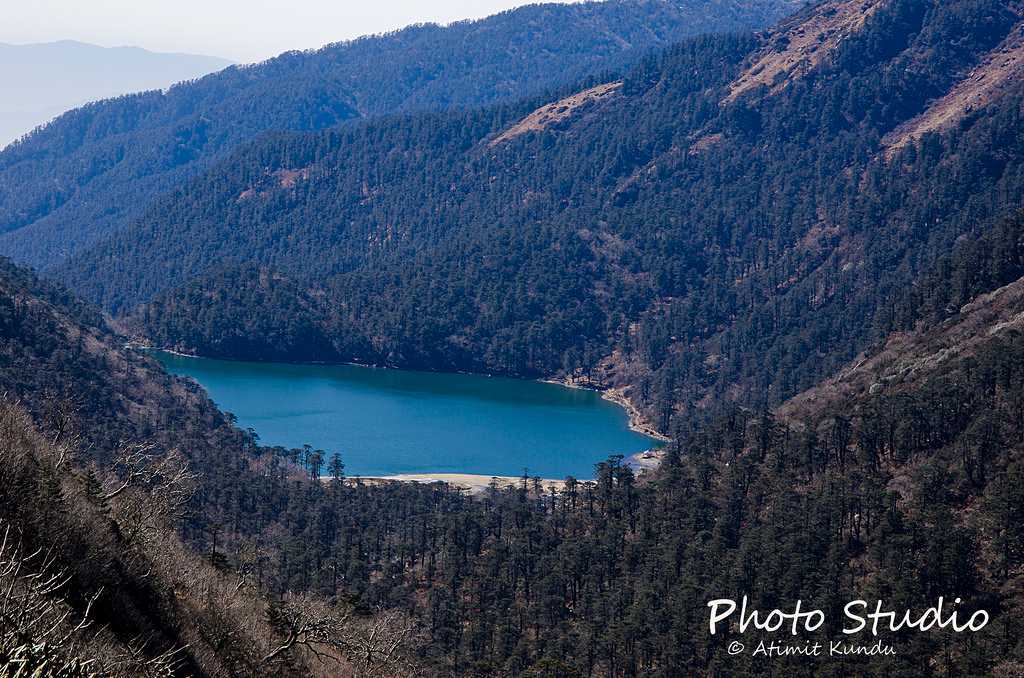
The place owes its charm to its detachment from the chaos and commotion of modern-day concrete jungles we always want to get away from.
The grandeur of Sikkim as a favourite offbeat holiday getaway does not lie only in its outstandingly picturesque sceneries or its lip-smacking cuisine but also in its extremely warm-hearted populace which is so diverse yet so intricately connected.
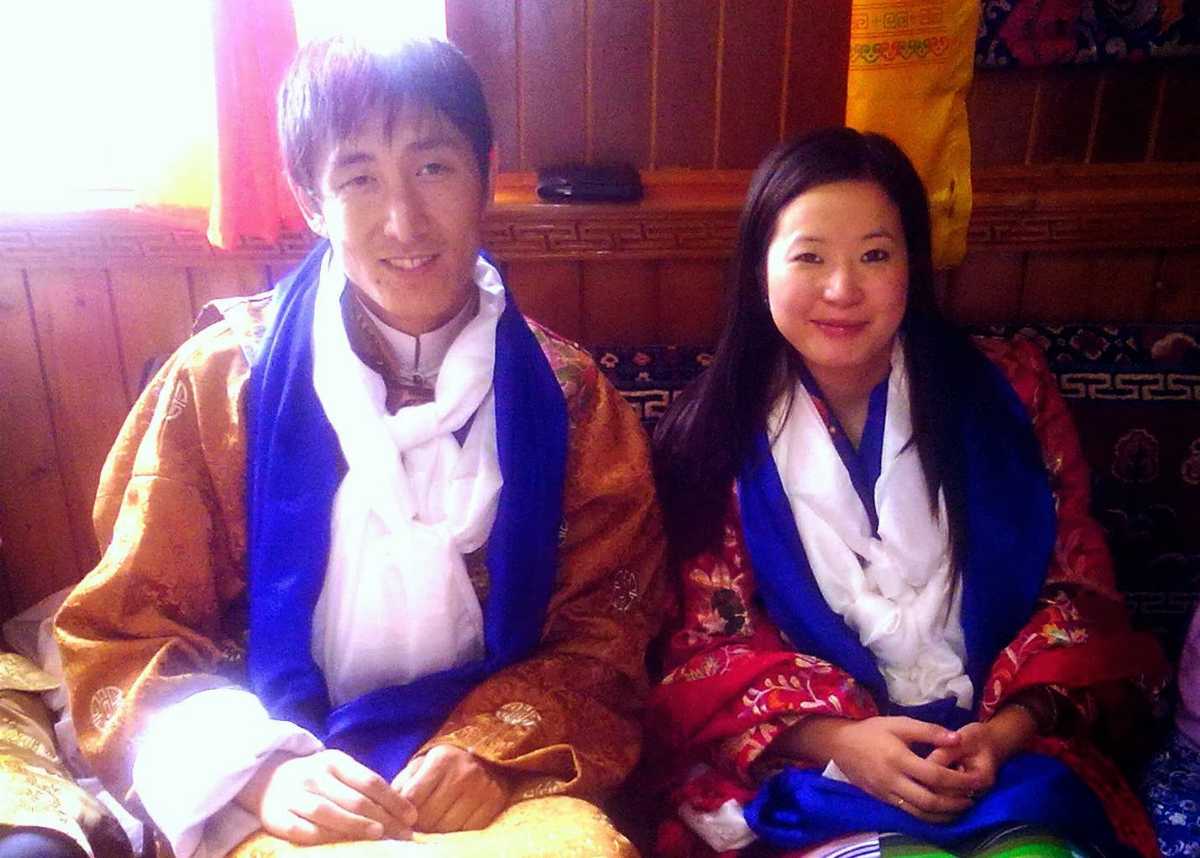
Bhutia Tribe
In addition to the basic garment, the Bhutia men wear Jya Jya, a waistcoat, the shirt called Yenthatse, Kera, a cloth-belt and Shambo, the cap. They pair the entire outfit with loose trousers.
Bhutia women, in contrast to other tribes in India, enjoy a much higher status than their male counterparts.
FEB.19.2019 INDIAN CULTURE ODDISA Architecture The finesse and grandeur of Odisha's architecture is exhibited in its temples that the Aryans left behind. Some of them are among the finest in the country. Of these, the most important are the Lingaraja Temple, Bhubaneswar (11th century), Jagannath Temple at Puri (12th century) and the great Sun Temple at Konark (13th century). And hence, the golden triangle of Odisha - Bhubaneswar, Konark and Puri contributes the maximum amount of tourism goodwill. They are primary temples built in the style of 'Kalinga' architecture. Jagannath Temple The coastal town of Puri enshrines Lord Jagannath in this colossal temple. It is one of the Char Dham pilgrimages that one is expected to cove...
INDIAN CULTURE The culture of India refers to the unique cultures of all the communities present in India. It refers to each and every state of India and Indian culture speaks about different states and their cultures,their ethnicity,their traditions,their customs, their costume,their cuisine,their occupation etc. I would like to speak about the state Karnataka . This article gives you the whole information about Karnataka and its culture and traditions. CULTURE IS THE ART OF LIVING The people of Karnataka are the Kannada speaking people and they are referred as Kannadiga. Karnataka is a state in the south western region of India. The history of Karnataka and Kannadigas dates back to nearly two millennia. The history,culture and the development of Karnataka have been contributed by major empires and dynasties. ETHNICITY The kannadigas contribute at least 70% of the total population of the state and kannadigas are the original speakers of the language Kannada. T...
FEB.20.2019 INDIAN CULTURE ASSAM INTRODUCTION Assam shares a boundary with all the states of Northeast India and serves as a doorway to the secrets of the seven sisters. This land has its deepest roots to the mighty Brahmaputra River which overpowers the landscape and has shaped both culture and the environment. Assam is renowned over the world for its tea plantations and also as a delicate interconnected hotspot of cultures, wildlife and biodiversity. DRESS The Assamese adorn very simple dresses, and mostly hand loomed. The women wear motif-rich Mekhela Chador or Riha- Mekhela. The men wear 'suria' or 'dhoti', and over it, they drape a chadar known as 'Seleng'. Gamosa is an indispensable part of almost all socio-religious ceremonies in Assam. It is deriv...


A short and sweet blog about sikkim
ReplyDeleteThis blog has some flaws and Sikkim can be explained more about their art and culture.
ReplyDeletetribes of sikkim maintain their culture and customs. still is one of the peaceful place in india.
ReplyDelete